Step-by-Step Guide to Building a Passive House: What You Need to Know
Building a Passive House is an investment in energy efficiency, sustainability, and long-term comfort. The Passive House standard, originally developed in Germany, focuses on reducing energy consumption through high-performance insulation, airtight construction, and efficient ventilation systems. While the principles behind Passive House construction are simple, executing them requires a precise, methodical approach. This step-by-step guide will walk you through the key phases of building a Passive House, from planning to completion, so you can make sure your project is on the right track.
Step 1: Understanding the Passive House Standard
Before diving into the construction process, it’s essential to understand what qualifies as a Passive House. The Passive House standard is a set of performance-based building criteria, which focuses on:
- Energy demand: A Passive House must consume no more than 15 kWh per square meter per year for heating.
- Air tightness: The building envelope must be airtight, limiting air leakage to no more than 0.6 air changes per hour.
- Thermal comfort: The building must maintain a comfortable indoor temperature year-round without the need for conventional heating and cooling systems.
- Ventilation: A mechanical ventilation system with heat recovery (MVHR) ensures the building remains fresh and well-ventilated.
By understanding these criteria, you’ll have a clearer idea of the requirements and goals for your project. This initial step can help you make informed decisions during the design and construction process.
Step 2: Assemble a Skilled Team
Building a Passive House is a collaborative effort that involves a team of professionals with specialized knowledge. The key members of this team should include:
- Architects: Ideally, your architect should be experienced with Passive House design and principles. They will help design the building’s layout, materials, and ensure the project meets the Passive House standard.
- Engineers: A building energy engineer or consultant can calculate heat loss and guide the selection of insulation, windows, and ventilation systems.
- Contractors and Builders: It’s critical to work with contractors familiar with the details of Passive House construction, including airtightness and energy-efficient techniques.
- Passive House Certifier: For your building to officially meet the Passive House standard, it will need to be certified. A certified professional will guide the design, construction, and testing processes to ensure the building adheres to Passive House requirements.
Step 3: Conduct a Site Analysis
The first hands-on step of construction begins with a thorough site analysis. The location of your Passive House can significantly affect its design, so it’s crucial to evaluate the following:
- Orientation and Solar Gain: Take advantage of passive solar heating by positioning the building to maximize sunlight exposure, especially in colder months. This involves placing windows strategically to capture solar energy.
- Wind Exposure: Consider prevailing winds when designing the building. Good passive design can use wind to naturally ventilate the house, but you’ll also need to minimize heat loss from wind exposure.
- Landscaping: Ensure the site allows for adequate shading in summer to prevent overheating while still allowing for solar gain during winter.
A good site analysis ensures that your Passive House will take full advantage of its surroundings to maximize energy efficiency.
Step 4: Design the Building Envelope
The “envelope” of the house refers to the walls, roof, windows, and foundation—basically, everything that separates the indoor environment from the outdoor elements. To meet Passive House standards, the building envelope must:
- Be well-insulated: High-performance insulation is key to reducing energy loss. This can include external insulation, thicker walls, or special materials designed for thermal resistance.
- Prevent thermal bridging: Thermal bridges are areas where heat escapes or enters due to materials with low thermal resistance (e.g., metal beams or concrete). These must be avoided or minimized to maintain energy efficiency.
- Ensure airtightness: The building must be sealed tightly to prevent drafts and air leakage, which would otherwise undermine energy efficiency. Special attention must be given to doors, windows, and junctions between walls, floors, and ceilings.
At this stage, you’ll also decide on window placement and quality. Triple-glazed windows with low U-values (heat transfer coefficients) are typically used in Passive House construction to minimize heat loss.
Step 5: Select Sustainable, Energy-Efficient Materials
Choosing the right materials for your Passive House can make a big difference in its energy efficiency, durability, and environmental footprint. Consider the following:
- High-Performance Insulation: Use materials such as cellulose, mineral wool, or rigid foam insulation. Ensure the insulation covers the building continuously without gaps.
- Windows: Triple-glazed windows are a standard choice, as they reduce heat loss while providing natural light.
- Ventilation System: A mechanical ventilation system with heat recovery (MVHR) is essential for ensuring indoor air quality without compromising airtightness. This system will circulate air while transferring heat between the incoming and outgoing air to minimize heating demands.
- Sustainable Materials: Consider using renewable or low-impact materials, such as wood and bamboo, as well as locally sourced or recycled materials to reduce your building’s carbon footprint.
Step 6: Build the Shell of the House
Once the design and materials are in place, it’s time for the construction phase. This involves:
- Foundation: Lay the foundation with care, ensuring it is insulated and sealed to prevent energy loss.
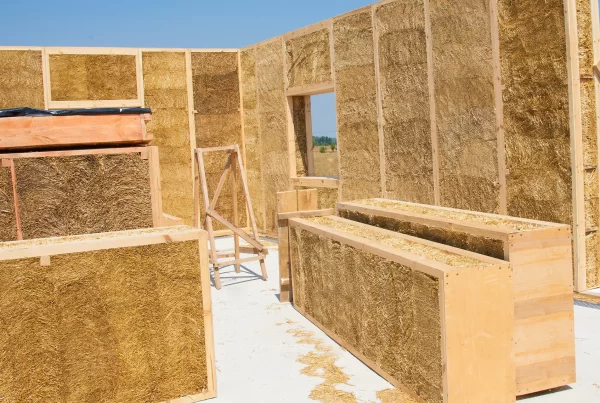
- Walls: Build the walls using the selected insulation materials and ensure they’re sealed to prevent air leaks. Attention to detail is crucial in creating an airtight building.
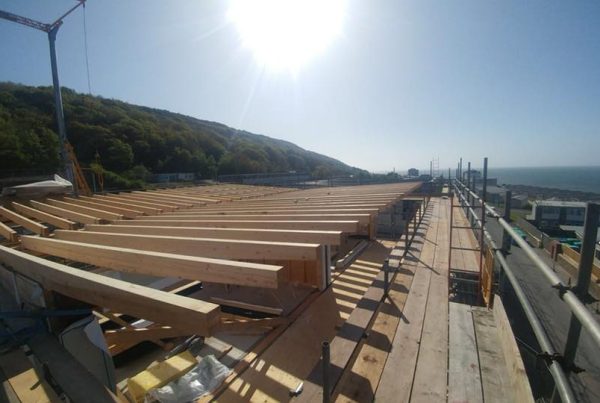
- Roof: The roof should also be well-insulated and free of thermal bridges, ensuring uniform temperature control in the building.
- Windows and Doors: Install high-performance windows and airtight doors, ensuring they are sealed perfectly.
During construction, regular quality checks are essential to maintain airtightness and ensure insulation is continuous without gaps.
Step 7: Install the Mechanical Ventilation and Heating Systems
The mechanical ventilation system with heat recovery (MVHR) is a cornerstone of Passive House design. This system ensures that fresh air is always circulating in the building while recovering heat from the outgoing stale air. The heat recovery mechanism reduces the need for additional heating, making your Passive House more energy-efficient.
Additionally, you may choose to install underfloor heating or another low-energy heating system to provide supplemental warmth during very cold conditions. These systems, combined with the building’s superior insulation, will help maintain a comfortable indoor environment year-round.
Step 8: Final Testing and Certification
Once construction is complete, the building will undergo a series of tests to ensure it meets the Passive House standard. The most important test is the blower door test, which checks the airtightness of the building. If the building passes the test and meets all other criteria for energy use, ventilation, and thermal comfort, it will receive Passive House certification.
Step 9: Enjoy the Benefits of Your Passive House
After the certification is complete, you’ll be able to enjoy the many benefits of living in a Passive House: lower energy bills, increased comfort, better indoor air quality, and a reduced environmental impact. A Passive House is not just a home; it’s a long-term investment in a more sustainable and comfortable future.
Conclusion
Building a Passive House requires careful planning, attention to detail, and specialized knowledge, but the benefits are well worth the effort. By following this step-by-step guide, you’ll be well on your way to creating a highly energy-efficient, sustainable building that stands the test of time. With the right team and approach, your Passive House will offer a lifetime of comfort, savings, and minimal environmental impact.